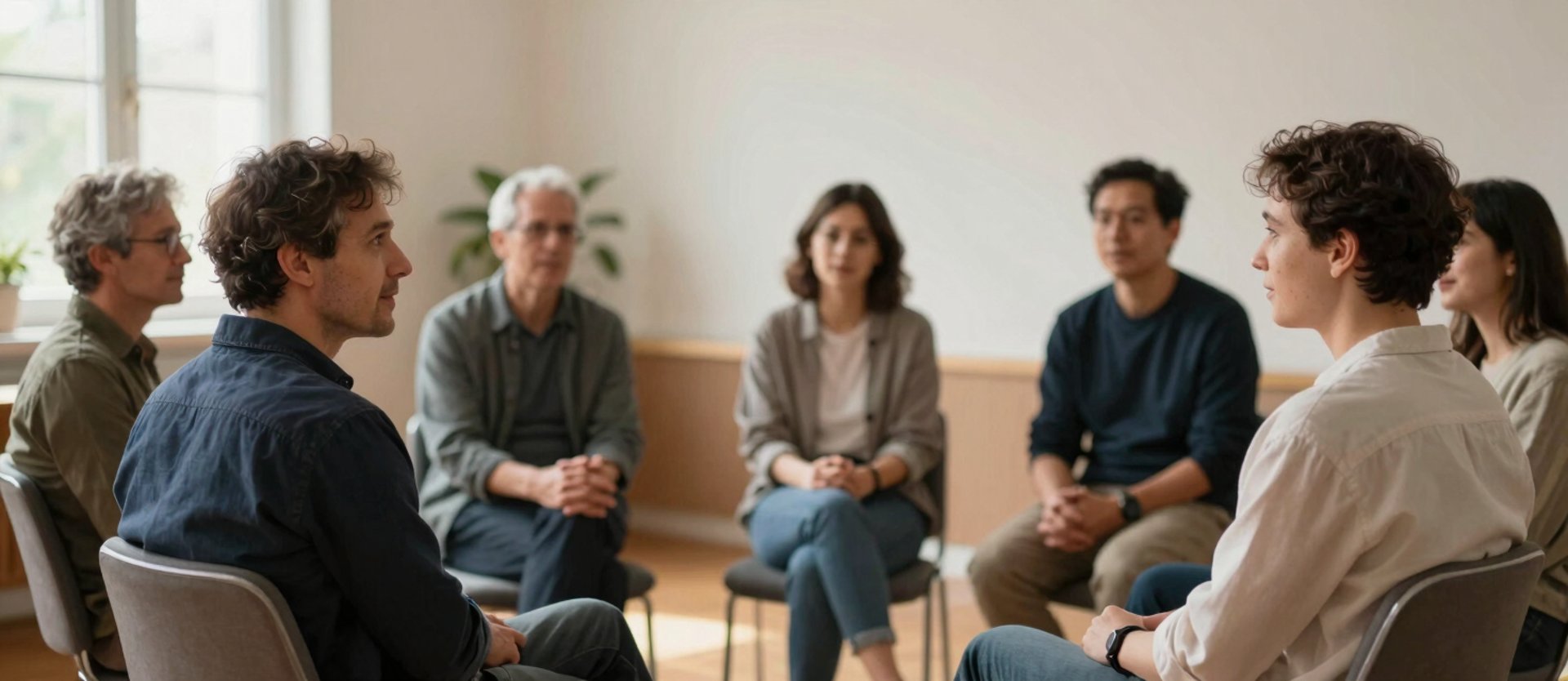
Built by people who needed it first
Stable Minds grew out of real experience — not a curriculum, not a certification. The people who show up to run your group have sat in the same chair you're sitting in now.
Not a program. A response to something real.
The founders of Stable Minds weren't therapists or coaches. They were people who found themselves stuck — isolated after a career change, overwhelmed after a loss — and couldn't find a space that felt honest.
The accountability doesn't come from a system. It comes from knowing someone else is counting on you to show up.
What they built instead was a small group where people could speak plainly. No frameworks, no intake forms. Just a consistent time, a consistent group, and the expectation that you'd show up for each other.
That's still the whole thing.
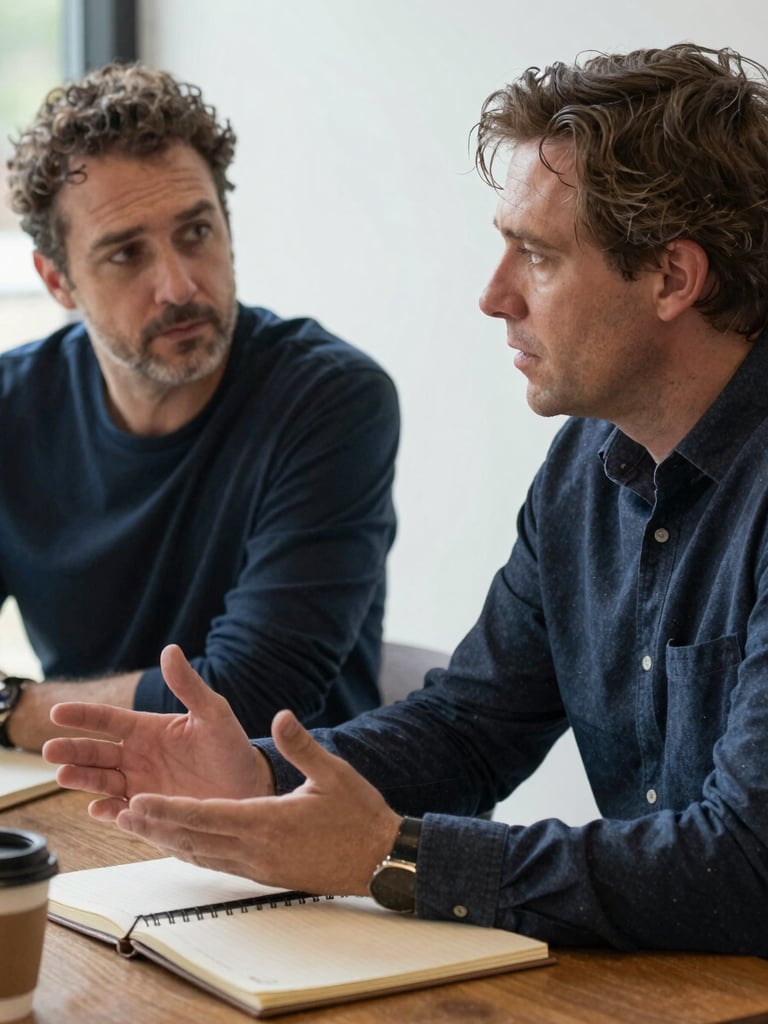
The person leading your group has been there
Peer-led means the group facilitator isn't reading from a manual. They've navigated what you're navigating — and they keep showing up because the group kept them going too.
That's what makes the conversations different. Nobody's performing expertise. People talk the way they actually talk when something matters to them.
One more person in your corner
Groups meet weekly on Zoom. No commute, no intake process. You show up, you meet people, and you decide if it's worth coming back.